

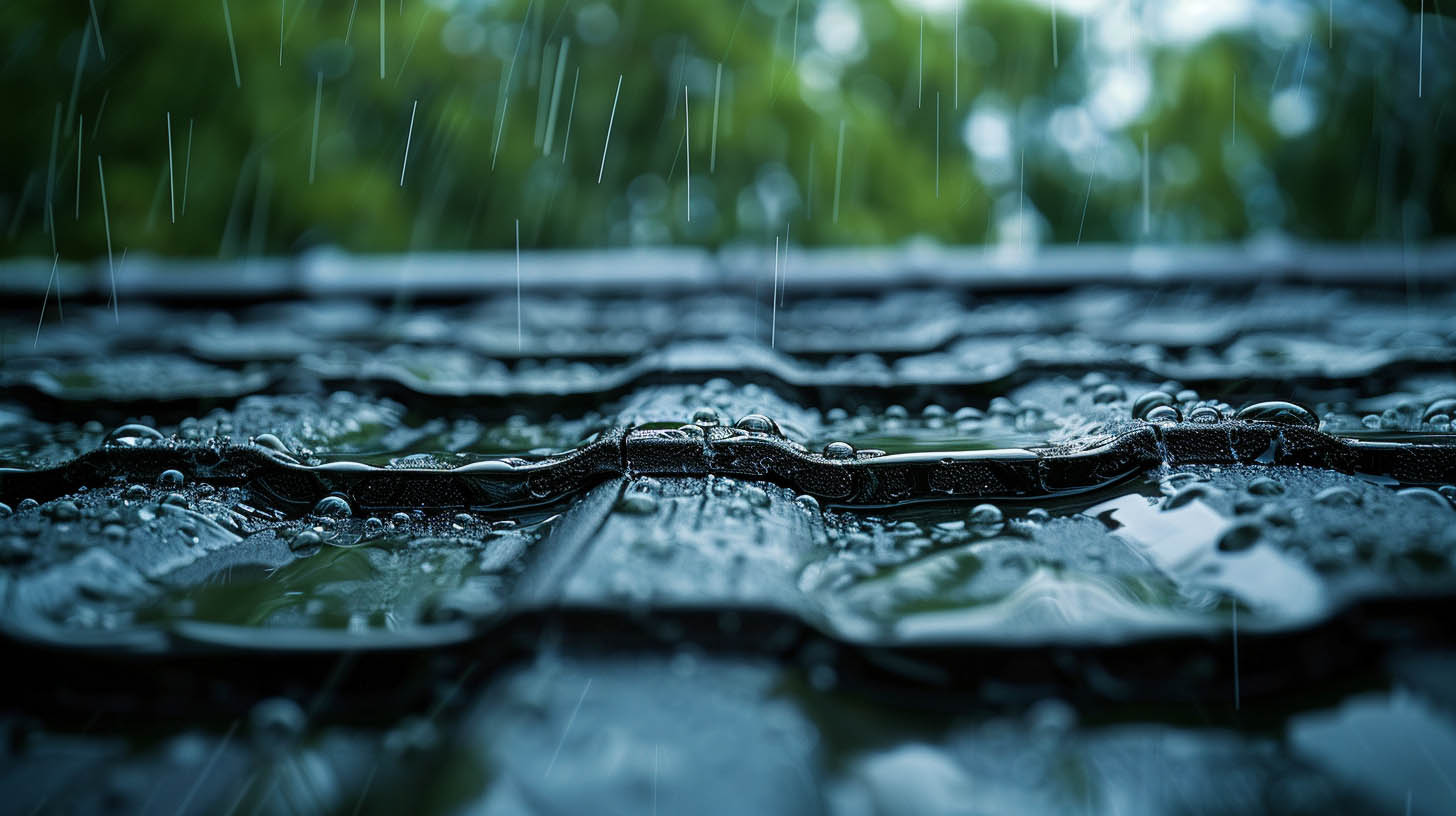
Understanding how humidity affects roofing systems is essential for maintaining the longevity and performance of your roof. At Good Roofing Company LLC, we provide insights into the effects of humidity and how to protect your roof.
Corrosion
- Metal Roofs: Humidity causes corrosion in metal roofs by facilitating oxidation.
- Protection: Apply a corrosion-resistant coating to metal roofs to prevent damage.
Mold and Mildew Growth
- Formation: High humidity levels can lead to mold and mildew growth on the roof.
- Inspection: Regularly inspect the roof for signs of mold and mildew and address any issues promptly.
Reduced Shingle Lifespan
- Asphalt Shingles: Humidity can cause asphalt shingles to swell and blister, reducing their lifespan.
- Clay Tiles: Excessive moisture can make clay tiles brittle and prone to cracking.
Roof Leaks
- Weakening Materials: Prolonged exposure to humidity weakens roofing materials, leading to leaks.
- Repair: Address leaks promptly to prevent further damage.
Increased Energy Costs
- Deterioration: Humidity accelerates the deterioration of roofing materials, reducing their insulating ability.
- Energy Bills: Proper maintenance helps maintain insulation performance and reduce energy costs.
Decreased Insulation Performance
- Moisture Impact: Humidity can compromise insulation effectiveness, leading to energy loss.
- Sealing: Ensure all seams, openings, and joints are properly sealed to protect insulation.
Conclusion
High humidity levels can significantly impact the performance and longevity of your roofing system. At Good Roofing Company LLC, an Owens Corning Preferred Contractor and multiple-time Angi List Super Service Award winner, we offer expert roofing solutions to help your roof withstand the effects of humidity. Contact us for professional maintenance and repair services to keep your roof in optimal condition.
For more insights on concerns about granule loss in asphalt shingles, visit our detailed guide here.