


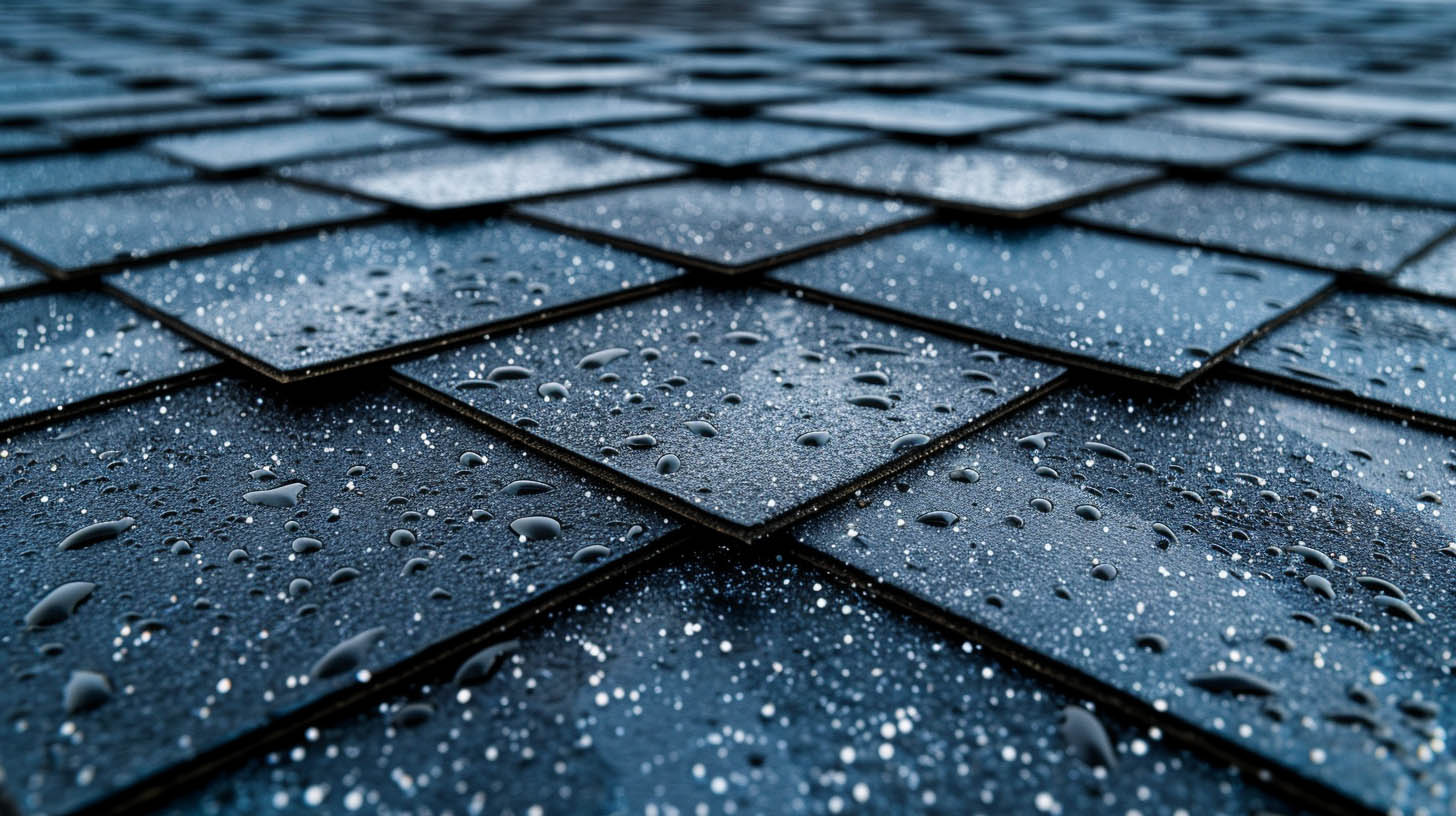
Granule erosion in asphalt shingles is a common issue, but understanding when it is a cause for concern is crucial. At Good Roofing Company LLC, we offer insights into this problem and how to address it effectively.
Causes of Granule Erosion
1. New Roof
- Excess Granules: New roofs may shed excess granules that were not embedded during manufacturing.
- Installation: Rough handling during installation can also cause initial granule loss.
- Inspection: If significant granule accumulation is noticed in gutters or downspouts, seek a professional inspection.
2. Old Roof
- Weather Exposure: Over time, weather conditions wear down shingles, causing granules to loosen.
- Regular Inspections: Conduct regular roof inspections to identify and address granule loss early.
3. Blistering
- Heat and Ventilation: Excessive heat or poor ventilation can cause bubbles (blisters) under shingles, leading to granule loss.
- Professional Evaluation: If blistering is observed, contact roofing professionals for an assessment and solution.
4. Mechanical Damage
- Impact: Heavy objects or storms can dislodge granules and cause cracks or holes.
- Damage Monitoring: Inspect the roof after storms and replace damaged shingles promptly.
5. Defective Product
- Manufacturing Issues: Poor-quality shingles may shed granules quickly.
- Contractor Consultation: Consult with a roofing contractor if defective shingles are suspected.
6. Shoddy Installation
- Improper Alignment: Poor installation can lead to shingles lifting and losing granules easily.
- Professional Corrections: If excessive granule loss occurs soon after installation, a reputable contractor should correct the issues.
Conclusion
While granule loss in asphalt shingles is common, it does not always indicate a severe problem. Early detection and professional assistance are key to addressing this issue effectively. At Good Roofing Company LLC, an Owens Corning Preferred Contractor and multiple-time Angi List Super Service Award winner, we provide expert roofing solutions to maintain the integrity of your roof. Contact us for inspections and professional advice on managing granule erosion.
For more details on how to protect the most vulnerable parts of your roof, visit our detailed guide here.